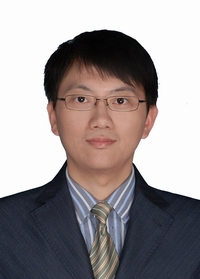
Professional Profile
Dr. Mengjie Rui is an Associate Professor and graduate supervisor in the Department of Pharmaceutics, School of Pharmacy, Jiangsu University. He received his B.Eng. in Bioengineering and Ph.D. in Biomedical Engineering from Shanghai Jiao Tong University in 2008 and 2012, respectively. He joined Jiangsu University in 2013 and was promoted to Associate Professor in 2017. His research integrates pharmaceutics, biomedical engineering, and artificial intelligence within a design-delivery-validation framework.
His earlier work focused on recombinant high-density lipoprotein and other biomimetic nanocarriers for nucleic acid and drug delivery as well as molecular imaging. His current interests include AI-assisted design of therapeutic peptides and small molecules, prediction of drug–target interactions and synergistic drug combinations, computational optimization of pharmaceutical formulations, and biomimetic or stimuli-responsive nanomedicine for cancer therapy, immunotherapy, osteoarthritis, and modern formulations of multi-component traditional Chinese medicines.
He has led projects supported by the National Natural Science Foundation of China and the Natural Science Foundation of Jiangsu Province. His work has appeared in Drug Delivery, International Journal of Pharmaceutics, International Journal of Biological Macromolecules, Molecular Pharmaceutics, Chinese Medicine, and related journals. As of July 2026, his Google Scholar profile reports 1,017 citations, with an h-index of 17.
Research Interests
1 | AI-Assisted Drug Discovery and Computational Pharmaceutics Machine learning, deep learning, and molecular simulation for drug–target interactions, drug synergy, candidate prioritization, and formulation/process optimization. |
2 | Therapeutic Peptides and Cancer Immunotherapy Design of peptide and small-molecule inhibitors targeting PD-1/PD-L1, Notch/RBPJ, and related pathways, together with tumor-activated oncolytic or immunomodulatory peptides. |
3 | Biomimetic and Stimuli-Responsive Nanomedicine Biomimetic lipoproteins, lipodisks, liposomes, multivesicular liposomes, polymeric nanoparticles, and polymersomes for precision co-delivery of peptides, nucleic acids, small molecules, and multi-component therapeutics. |
4 | Combination Therapy and Modern Multi-Component TCM Formulations Computational identification of synergistic combinations and ratios, mechanistic validation, and formulation strategies for traditional Chinese medicine-derived active components. |
Education and Academic Appointments
May 2017-present | Associate Professor, Department of Pharmaceutics, School of Pharmacy, Jiangsu University |
Mar 2013-Apr 2017 | Lecturer, Department of Pharmaceutics, School of Pharmacy, Jiangsu University |
Sep 2008-Dec 2012 | Ph.D. in Biomedical Engineering, School of Life Sciences and Biotechnology, Shanghai Jiao Tong University; Supervisor: Prof. Yuhong Xu |
Sep 2004-Jun 2008 | B.Eng. in Bioengineering, School of Life Sciences and Biotechnology, Shanghai Jiao Tong University |
Selected Publications
1. Rui M, Fang L, Jia M, et al. Tumor microenvironment-responsive conformational activation of apoA-I mimetic peptides for targeted cancer therapy. Drug Delivery. 2026;33(1):2604086. doi:10.1080/10717544.2025.2604086.
2. Rui M, Tang H, Gao L, et al. pH-responsive polymeric nanoparticles for peptide delivery: Synergistic STING pathway activation enhances tumor immunotherapy. International Journal of Pharmaceutics X. 2025;10:100412. doi:10.1016/j.ijpx.2025.100412.
3. Rui M, Wang L, Mi K, et al. Co-delivery of anti-inflammatory and antioxidant agents via polymersomes for osteoarthritis therapy. Frontiers in Pharmacology. 2025;16:1635761. doi:10.3389/fphar.2025.1635761.
4. Rui M, Su Y, Tang H, et al. Computational Design and Optimization of Multi-Compound Multivesicular Liposomes for Co-Delivery of Traditional Chinese Medicine Compounds. AAPS PharmSciTech. 2025;26(2):61. doi:10.1208/s12249-025-03042-6.
5. Feng C, Cheng J, Sun M, et al. Artificial intelligence-driven identification and mechanistic exploration of synergistic anti-breast cancer compound combinations from a Prunella vulgaris–Taraxacum mongolicum herb pair. Frontiers in Pharmacology. 2025;15:1522787. doi:10.3389/fphar.2024.1522787.
6. Ji W, She S, Qiao C, et al. A general prediction model for compound-protein interactions based on deep learning. Frontiers in Pharmacology. 2024;15:1465890.
7. Rui M, Zhang W, Mi K, et al. Design and evaluation of α-helix-based peptide inhibitors for blocking PD-1/PD-L1 interaction. International Journal of Biological Macromolecules. 2023;253(Pt 2):126811. doi:10.1016/j.ijbiomac.2023.126811.
8. She S, Chen H, Ji W, et al. Deep learning-based multi-drug synergy prediction model for individually tailored anti-cancer therapies. Frontiers in Pharmacology. 2022;13:1032875.
9. Rui M, Cai M, Zhou Y, et al. Identification of Potential RBPJ-Specific Inhibitors for Blocking Notch Signaling in Breast Cancer Using a Drug Repurposing Strategy. Pharmaceuticals. 2022;15(5):556. doi:10.3390/ph15050556.
10. Rui M, Pang H, Ji W, et al. Development of simultaneous interaction prediction approach (SiPA) for the expansion of interaction network of traditional Chinese medicine. Chinese Medicine. 2020;15:90. doi:10.1186/s13020-020-00369-z.
Teaching and Student Recruitment
Courses taught include Pharmaceutical Engineering, Industrial Pharmaceutics, and Pharmaceutical Molecular Biology. Students with backgrounds in pharmaceutics, pharmacy, biomedical engineering, chemistry, materials science, computer science, or bioinformatics are welcome to inquire about research opportunities.